
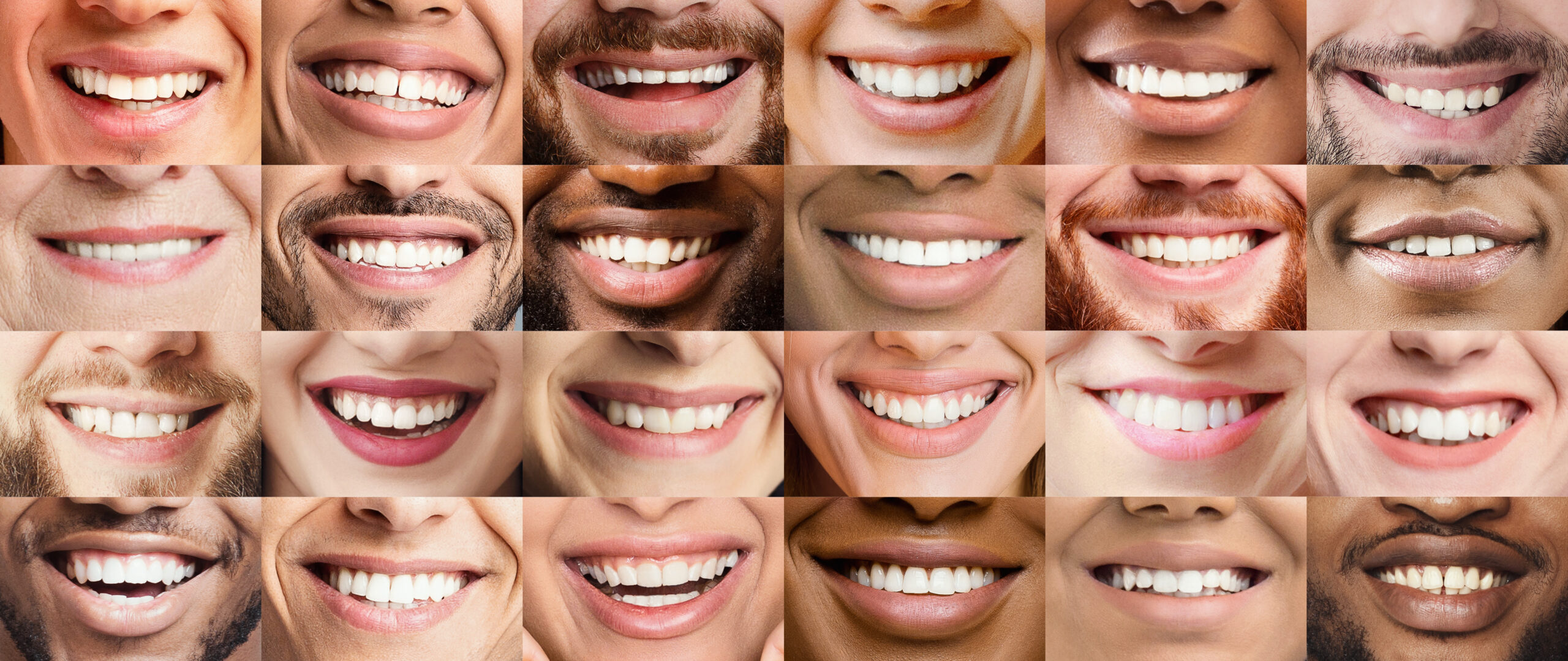
Healthy Aging Month and National Dental Implant Awareness Month spotlight the importance of protecting oral health, nutrition and function later in life.
As September marks Healthy Aging Month and National Dental Implant Awareness Month, a North Carolina periodontist is urging adults to make oral health part of their plans for aging well, warning that tooth loss should not simply be accepted as an inevitable consequence of getting older.
Dr. Jose Arauz, a board-certified periodontist and chief dental officer at Carolina Dental Specialty Center in Jacksonville, says preserving healthy teeth, gums and supporting bone can play an important role in maintaining the ability to eat comfortably and retain oral function later in life.
The concern is significant among older Americans. According to the National Institute of Dental and Craniofacial Research, adults 65 and older have an average of 21 remaining teeth, and about 15% have lost all of their natural teeth. Periodontal disease, commonly known as gum disease, is the most common cause of tooth loss among adults, and about two in five adults 30 and older have some form of the disease.
“Getting older does not mean you should expect to lose your teeth,” Arauz said. “We want people to think about their oral health the same way they think about mobility, nutrition and other aspects of healthy aging. Being able to comfortably eat, speak and smile matters at every age, and protecting that function should be part of planning for the future.”
September’s observances provide an opportunity to bring greater attention to that connection. National Dental Implant Awareness Month, designated by the American Academy of Implant Dentistry, is intended to educate the public about dental implants and tooth replacement options. Healthy Aging Month focuses more broadly on maintaining health and quality of life as people age.
Arauz says the two conversations are closely connected.
Maintaining healthy teeth and gums can affect a person’s ability to eat a varied diet. The National Institute on Aging notes that healthy teeth and gums make it easier for older adults to enjoy a variety of nutritious foods.
“We tell people to eat well as they get older, but we also have to think about whether they can comfortably eat those foods,” Arauz said. “Your teeth, gums and supporting bone have an important function. Protecting them is about much more than appearance.”
Arauz says one of the challenges with periodontal disease is that patients may wait for significant pain before seeking care. Gum disease can progress without the type of discomfort a patient might expect from a serious dental problem.
Warning signs that may warrant evaluation include gums that bleed regularly, gum recession, loose or shifting teeth, persistent swelling or inflammation and changes in the way the teeth fit together.
For patients who still have their natural teeth, Arauz says preserving them whenever possible is the priority. Periodontal therapy, scaling and root planing, periodontal maintenance, gum grafting and bone grafting are among the treatments that may be considered depending on the patient’s condition.
When a tooth cannot be saved or has already been lost, dental implants can provide another option for restoring function.
A dental implant is surgically placed into the jawbone and can support a replacement tooth. Determining whether a patient is a candidate involves evaluating gum health, the amount and quality of available bone, and the patient’s medical history and overall oral health.
“Implant dentistry is not simply about filling the space where a tooth used to be,” Arauz said. “We have to evaluate the foundation. The health of the gums and supporting bone matters, and treatment should be planned around each patient’s anatomy and oral health.”
For patients with insufficient bone to support an implant, bone grafting may be an option to rebuild deficient areas. Carolina Dental Specialty Center offers the S.M.A.R.T. bone grafting technique, a minimally invasive approach to rebuilding areas of deficient bone. Arauz is the only provider trained in the S.M.A.R.T. bone grafting technique in Eastern North Carolina.
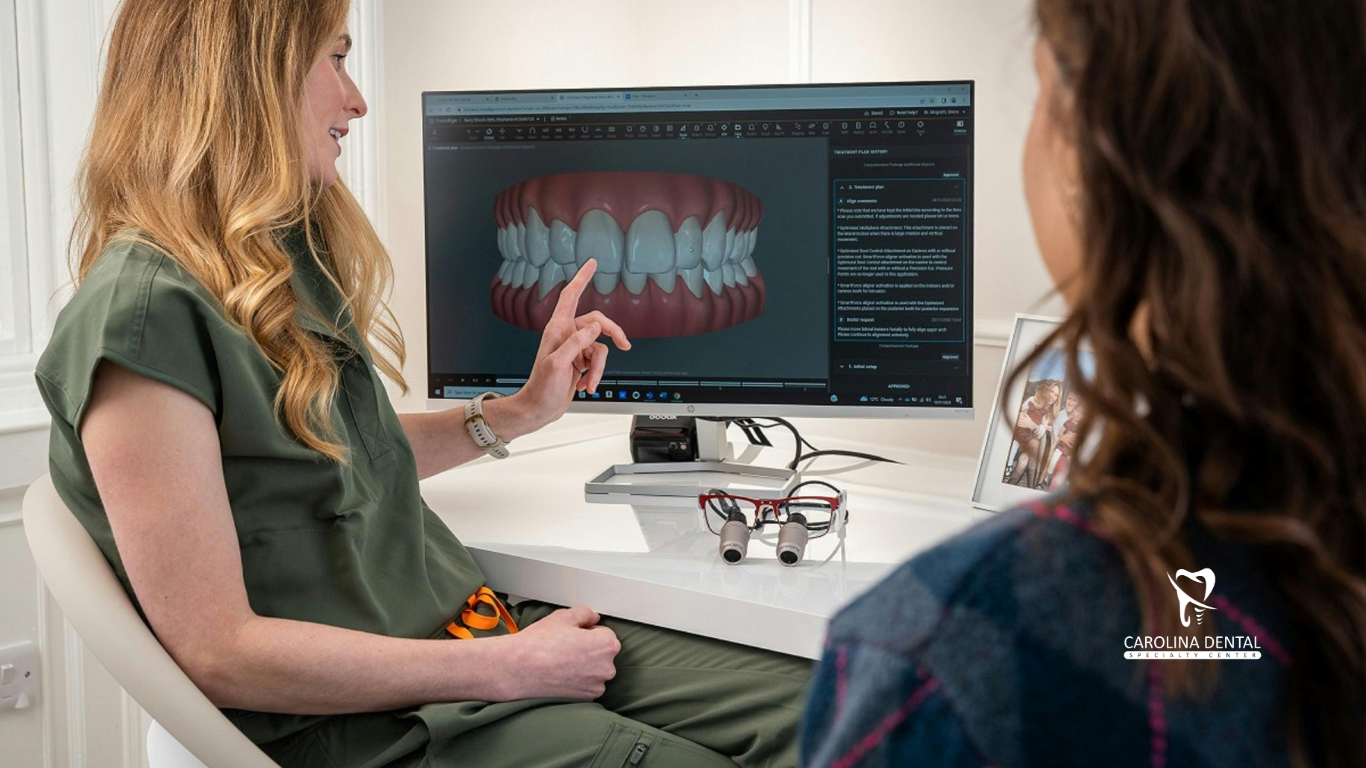
Carolina Dental Specialty Center also uses Yomi robotic technology for dental implant surgery. The FDA-cleared system uses three-dimensional imaging and a digitally developed treatment plan to provide robotic guidance to the clinician during implant placement.
The technology assists the surgeon rather than replacing the surgeon’s clinical judgment.
“Advances in technology give us tools to evaluate and plan treatment with an extraordinary amount of information about the individual patient’s anatomy,” Arauz said. “For people who have been living with missing teeth or who were previously told they did not have enough bone for an implant, it is worth learning what options may be available today.”
Arauz says patients should not wait until tooth loss becomes extensive to begin thinking about the future of their oral health.
“You plan for your financial future. You stay active because you want to maintain your mobility and independence. Your oral health deserves to be part of that same conversation,” Arauz said. “Healthy aging should include maintaining a healthy, functional smile for as long as possible.”