
- Sour candies: Candies with a sour coating contain both sugar and acid, providing a combination that is exceptionally harmful to tooth enamel and increases risk of cavities.
- Caramels: Caramels take longer to dissolve than other candy and can stick to areas of your teeth that are hard to reach. Caramel can also wreak havoc on crowns and fillings by sticking and pulling on them while you chew.
- Jawbreakers: These candies not only contain lots of sugar, but can damage, chip or crack teeth, which may require root canals or other procedures to fix.
- Chewy candies: Chewy and sticky candies, such as Starbursts or gummy worms, are capable of lingering in tooth crevices and between teeth, which can erode tooth enamel and potentially cause cavities.
- Hard candies: Hard candies like Jolly Ranchers and lollipops pose similar threats to chewy candy, but can create more acid than can be broken down by saliva. This is because hard candy is designed to be eaten slower, allowing hard candies to be in your mouth longer than softer types of candy.
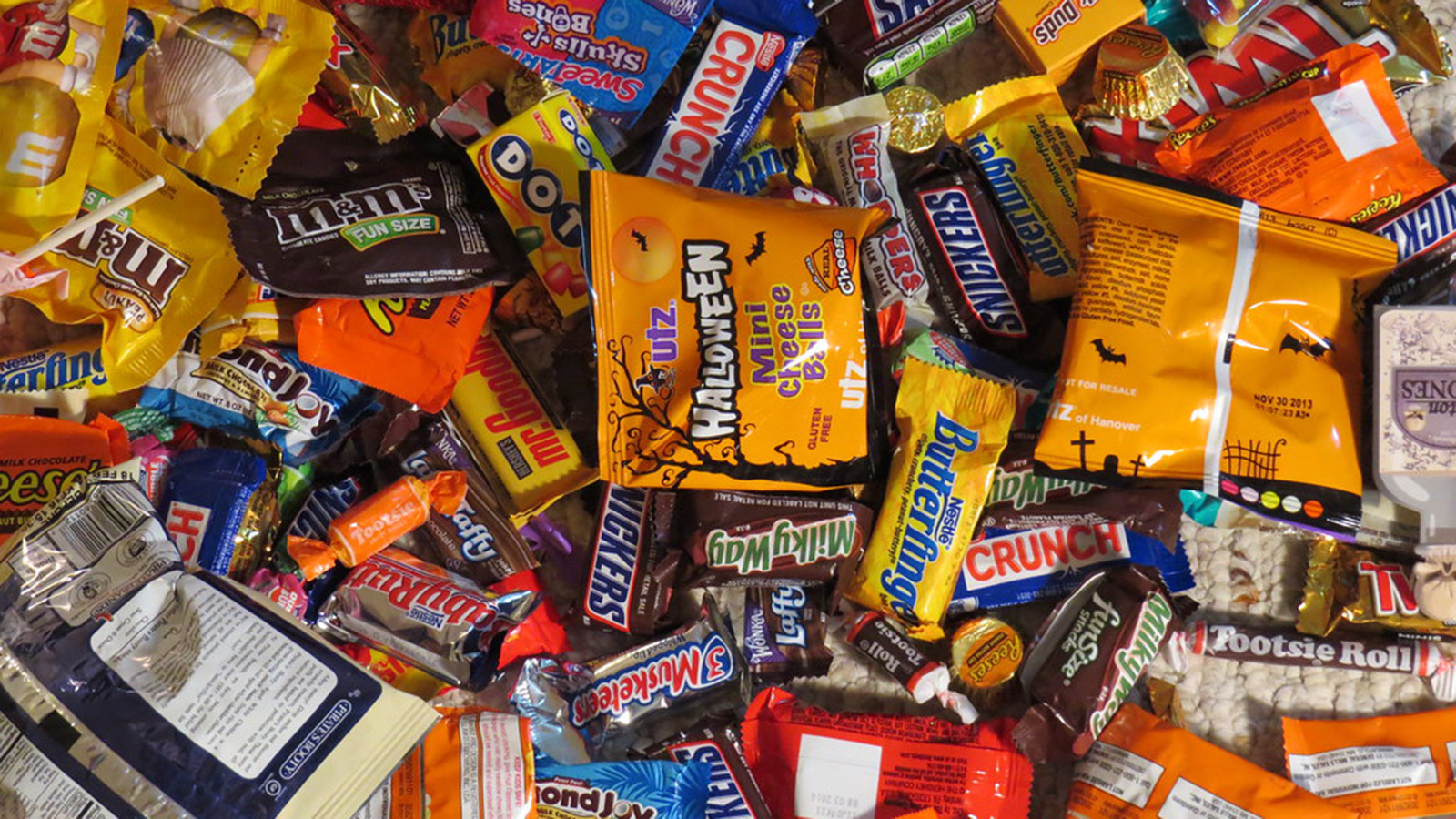
JACKSONVILLE, N.C. – With October marking National Dental Hygiene Month, dental experts at Carolina Dental Specialty Center are advising families on how to care for their teeth and prevent cavities ahead of the Halloween weekend.
Dr. Jose Arauz, a board-certified periodontist and founder of Carolina Dental Specialty Center, wants kids and adults alike to be aware of particular candies that are popular among trick-or-treaters and how they can affect one’s oral health.
“While Halloween candy is the most popular element of Halloween, it can lead to more visits to the dentists if trick-or-treaters don’t take precautions and properly care for their teeth,” said Arauz.
According to Arauz, bacteria within the mouth breaks down candy as you chew, creating an acid byproduct that is capable of dissolving tooth enamel and can lead to cavities. With some candy being better for dental hygiene than others, Arauz is sharing information about the following candies typically seen during Halloween and how they can damage teeth.